Seasonal Water Damage Restoration in DuPage County
Call APT Water Restoration in DuPage County for expert water damage restoration services. Protect your home year-round with fast, reliable care. Learn more today!
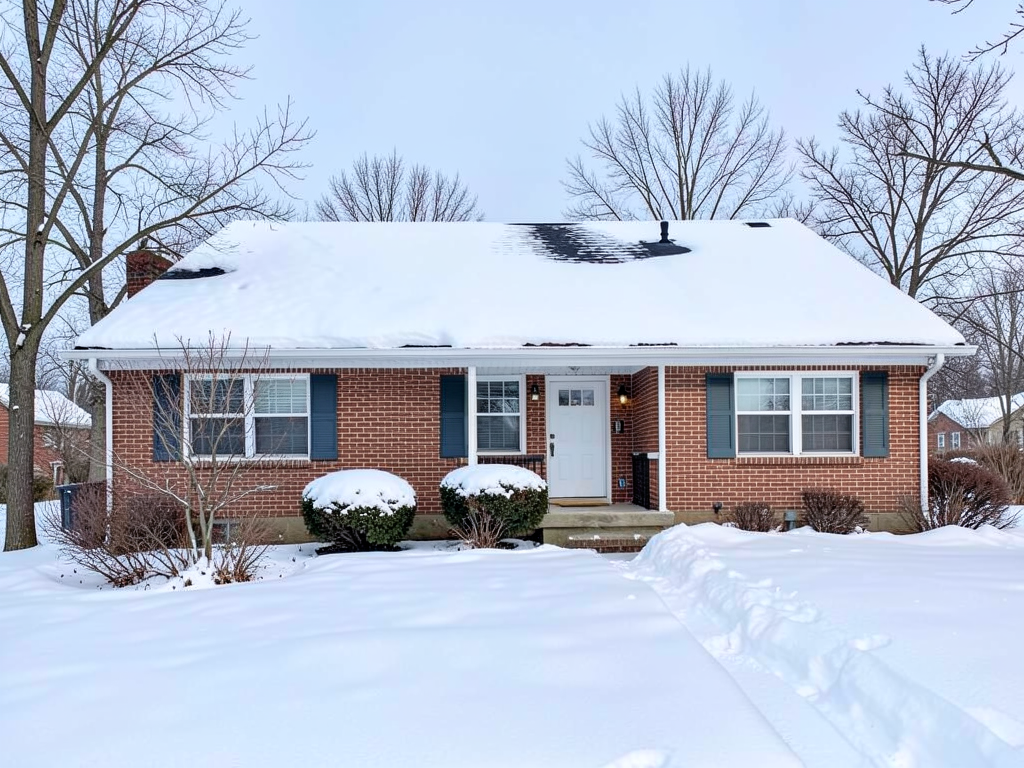
Homeowners in Carol Stream, West Chicago, and throughout DuPage County know that Illinois weather can be unpredictable and sometimes harsh. From sub-zero winter nights that cause frozen pipes to violent spring thunderstorms that overwhelm basements, every season brings its own set of risks for water damage. Understanding these seasonal threats and knowing how to prepare for them can save you thousands of dollars in repair costs and protect your property from long-term damage. APT Water Restoration has served the Chicago area since 2015, helping families and businesses recover from water emergencies year-round with 24/7 water damage restoration services and a 60-minute response time throughout DuPage and Kane County communities.
Winter: Frozen Pipes, Ice Dams, and Heating System Failures
Illinois winters are brutal, and the deep freezes that settle over Wheaton, Naperville, and Glen Ellyn from December through February create perfect conditions for some of the most common and costly water damage scenarios. When temperatures plunge below freezing for days at a time, unprotected pipes in attics, crawl spaces, and exterior walls can freeze solid. As water freezes, it expands, and that expansion can crack or burst pipes. When temperatures rise again, those cracks turn into gushing leaks that flood walls, ceilings, and entire floors before homeowners even realize there's a problem.
Frozen and Burst Pipe Prevention
Preventing frozen pipes requires a few proactive steps before the mercury drops:
- Insulate exposed pipes in unheated areas like basements, crawl spaces, garages, and attics with foam pipe insulation or heat tape.
- Seal gaps and cracks around windows, doors, and foundation walls where cold air can enter and reach plumbing.
- Keep cabinet doors open under sinks on exterior walls to allow warm air to circulate around pipes.
- Let faucets drip slightly during extreme cold snaps to keep water moving and reduce pressure buildup.
- Maintain consistent indoor temperatures, even when you're away, and never let your thermostat drop below 55°F.
If you discover a frozen pipe, do not attempt to thaw it with an open flame. Use a hair dryer, heating pad, or warm towels, and call a professional if you're unsure. If a pipe bursts, shut off the main water supply immediately and contact APT Water Restoration for emergency burst pipe repair and water extraction.
Ice Dams and Roof Leaks
Ice dams form when heat escapes through your roof, melting snow that then refreezes at the colder eaves. This creates a ridge of ice that traps meltwater, forcing it under shingles and into attics and ceilings. Homes in Lombard, Downers Grove, and throughout DuPage County with inadequate attic insulation or ventilation are especially vulnerable.
To reduce ice dam risk, ensure your attic is properly insulated and ventilated, keep gutters clear of debris, and use a roof rake to safely remove snow after heavy storms. If you notice water stains on ceilings or walls during winter, you may already have ceiling water damage from an ice dam or roof leak and should call for an inspection right away.
Spring: Heavy Rains, Snowmelt, and Basement Flooding
Spring in the Chicago suburbs brings a double threat: melting snow from winter and powerful thunderstorms that can drop several inches of rain in a matter of hours. Communities near the DuPage River and Salt Creek, including Naperville, West Chicago, and Warrenville, are particularly susceptible to flooding when waterways overflow their banks. Even homes far from rivers can experience basement flooding when storm drains back up or when the ground becomes saturated and can't absorb any more water.
Sump Pump Failures
Your sump pump is your first line of defense against basement flooding, but it's also a mechanical device that can fail at the worst possible time. Spring is sump pump season, and when storms hit Wheaton, Glen Ellyn, or Bartlett, thousands of pumps are running at once. Power outages during storms can render sump pumps useless, and older pumps may simply burn out from overuse.
To protect your basement:
- Test your sump pump before spring by pouring water into the pit to ensure it activates and drains properly.
- Install a battery backup sump pump system to keep protection running during power outages.
- Clean the sump pit and check the discharge line to make sure water flows away from your foundation.
- Consider a water alarm that alerts you to rising water levels in the pit.
If your sump pump does fail and your basement floods, time is critical. Standing water can damage floors, walls, and belongings within hours, and mold can begin growing within 24 to 48 hours. APT Water Restoration offers emergency flood and basement flooding cleanup throughout Carol Stream, West Chicago, and all of DuPage County with rapid water extraction and structural drying services.
Foundation Cracks and Groundwater Seepage
Spring rains saturate the soil around your home, increasing hydrostatic pressure against basement walls and foundations. Even small cracks can allow water to seep in, leading to damp basements, efflorescence on walls, and eventual structural damage. Homes built in the 1960s and 1970s in older sections of Lombard, Elmhurst, and Villa Park may be especially prone to these issues.
Keep gutters and downspouts clear and extend downspouts at least six feet away from your foundation. Grade soil away from your home so water flows away rather than pooling near the foundation. If you notice water seeping in during storms, consult a professional about waterproofing solutions and have any active leaks addressed immediately.
Summer: Humidity, Air Conditioning Leaks, and Mold Growth
While summer may not bring the dramatic water events of winter and spring, the hot, humid months from June through August create ideal conditions for mold growth and hidden water damage. Illinois summers are notoriously muggy, and indoor humidity levels can climb above 60 percent, especially in basements and crawl spaces with poor ventilation.
Condensation and HVAC Issues
Air conditioning systems work overtime during Chicago-area summers, and condensation is a natural byproduct. If your AC's condensate drain line becomes clogged, water can back up and overflow the drip pan, leaking into ceilings, walls, or floors. Homes in Naperville, Glen Ellyn, and Wheaton with finished basements may not notice a slow leak until water stains or musty odors appear.
Check your HVAC system's drain line regularly and have it flushed as part of annual maintenance. Install an overflow shutoff switch that turns off the system if water backs up. If you discover water damage from an AC leak, don't delay—call APT Water Restoration for water extraction and drying to prevent mold from taking hold.
High Humidity and Hidden Mold
Basements and crawl spaces in DuPage County can remain damp all summer even without an obvious leak. That persistent moisture feeds mold growth on wood framing, insulation, drywall, and stored belongings. Crawl spaces under homes in Addison, Bloomingdale, and Glendale Heights are especially prone to mold because they often lack proper ventilation and vapor barriers.
To control summer humidity:
- Run a dehumidifier in your basement, keeping indoor humidity between 30 and 50 percent.
- Improve ventilation by opening windows on dry days or installing exhaust fans.
- Inspect your crawl space for standing water, damp insulation, or musty smells.
- Monitor for visible mold on walls, ceilings, and around windows.
If you detect a musty odor or see signs of mold, do not attempt to remove it yourself. Disturbing mold can release spores into the air and spread contamination. Instead, contact APT Water Restoration for professional mold remediation and mold inspection services to safely contain and remove the growth.
Fall: Roof and Gutter Maintenance Before Winter Returns
Autumn in Carol Stream, West Chicago, and surrounding communities is a beautiful time of year, but it's also your last chance to prepare your home for the coming winter. Falling leaves clog gutters and downspouts, and unnoticed roof damage from summer storms can turn into major leaks once snow and ice arrive.
Gutter Cleaning and Downspout Checks
Clogged gutters can't channel water away from your roof and foundation, leading to ice dams in winter and water intrusion in fall rainstorms. Clean gutters and downspouts thoroughly in October and November, and make sure downspout extensions are in place and directing water away from your foundation.
Roof and Attic Inspections
Before the first snow, inspect your roof for damaged or missing shingles, cracked flashing around chimneys and vents, and signs of wear. Inside, check your attic for water stains, damp insulation, or daylight visible through the roof deck. Address any issues before winter weather makes repairs difficult and expensive.
Outdoor Faucets and Irrigation Systems
Disconnect garden hoses and shut off outdoor faucets from the inside. Drain and blow out sprinkler systems to prevent freeze damage. A single forgotten hose bib can freeze and burst, flooding your basement or crawl space when you least expect it.
Protecting Your Home Year-Round: Essential Tips
While each season has its own risks, there are steps you can take year-round to minimize water damage and mold growth:
- Know where your main water shutoff valve is and make sure every family member can locate and operate it.
- Monitor your water bill for unexplained increases that may indicate a hidden leak.
- Inspect appliances like water heaters, dishwashers, washing machines, and refrigerators for leaks, rust, or worn hoses.
- Replace washing machine hoses every five years, switching to braided stainless steel hoses for added durability.
- Check toilets and faucets for leaks and repair them promptly.
- Install water leak detectors near water heaters, sump pumps, and under sinks for early warning.
What to Do When Water Damage Strikes
Even with the best prevention, water emergencies can happen. Whether it's a burst pipe in Bartlett, a flooded basement in Downers Grove, or storm damage in St. Charles, knowing what to do in the first minutes can make a huge difference in the final outcome.
Immediate Steps
- Ensure safety first. Turn off electricity to affected areas before entering standing water. Avoid contact with sewage or contaminated floodwater.
- Stop the water source if possible by shutting off the main water valve or the supply to a specific fixture.
- Call APT Water Restoration at (630) 855-3362 for 24/7 emergency response. Our IICRC certified technicians will arrive within 60 minutes to begin water extraction and damage assessment.
- Document the damage with photos and videos for insurance purposes before moving or discarding items.
- Remove valuables and furniture from the affected area if it's safe to do so.
Do not wait to call for help. Water wicks into walls, floors, and insulation quickly, and the longer it sits, the more extensive and expensive the damage becomes. Mold can begin growing within 24 to 48 hours in damp environments, turning a water damage event into a mold remediation project as well.
How APT Water Restoration Handles Seasonal Water Damage
APT Water Restoration has been serving families and businesses in Carol Stream, West Chicago, Wheaton, Naperville, and throughout DuPage and Kane Counties since 2015. Our licensed and insured team is available 24 hours a day, 7 days a week, with a guaranteed 60-minute response time for emergencies. We understand the unique challenges Illinois weather presents, and our IICRC certified technicians follow industry-standard protocols to restore your property quickly and completely.
Our Comprehensive Process
- Emergency contact and dispatch: When you call, a live operator takes your information and dispatches a team immediately.
- Damage assessment: We provide a free, detailed inspection to determine the extent of the damage and develop a restoration plan.
- Water extraction: Powerful pumps and vacuums remove standing water from your property.
- Structural drying: Industrial dehumidifiers and air movers dry out walls, floors, and hidden spaces to prevent mold growth.
- Moisture mapping: We use thermal imaging and moisture meters to ensure no hidden water remains.
- Cleaning and sanitizing: Affected areas are cleaned, disinfected, and deodorized.
- Reconstruction: If necessary, we provide full reconstruction services to bring your property back to pre-loss condition.
We also assist with insurance claims, providing documentation and working directly with your carrier to streamline the process and reduce your out-of-pocket costs.
Protecting Your Investment in Every Season
Your home is one of your most important investments, and seasonal water damage can erode its value and safety if not addressed promptly. By understanding the specific risks each season brings to DuPage County homes and taking proactive steps to prepare, you can significantly reduce the likelihood of costly water damage and mold growth. Regular maintenance, vigilant monitoring, and a trusted restoration partner like APT Water Restoration can give you peace of mind no matter what Illinois weather throws your way.
From frozen pipes in January to summer humidity in July, from spring basement floods to fall gutter cleanouts, every season requires attention and preparation. When prevention isn't enough, knowing that help is just a phone call away can make all the difference.
Get Expert Help When You Need It Most
If you're dealing with water damage, a basement flood, sewage backup, mold growth, or storm damage in Carol Stream, West Chicago, Wheaton, Naperville, Downers Grove, Glen Ellyn, Lombard, or any surrounding DuPage or Kane County community, don't wait. APT Water Restoration is ready to respond 24 hours a day, 7 days a week, with IICRC certified technicians, state-of-the-art equipment, and a 100% satisfaction guarantee. Call (630) 855-3362 now for immediate assistance, or visit https://www.aptwaterrestoration.com/contact to request a free estimate. We're here to protect your property and restore your peace of mind, every season of the year.
Need Emergency Water Damage Help?
APT Water Restoration offers 24/7 emergency response with a 60-minute on-site guarantee in Carol Stream and surrounding areas.