Water Damage Restoration Services in Chicago Area
Discover expert water damage restoration in Chicago area with APT Water Restoration. Call now for 24/7 emergency service and insurance claim assistance.
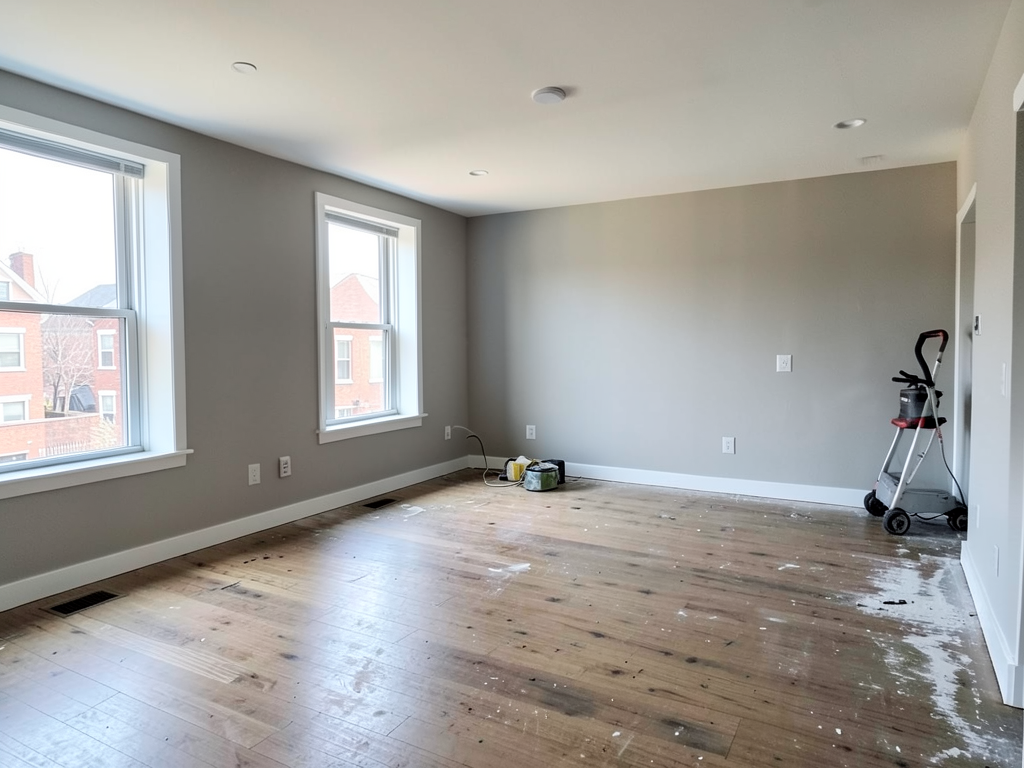
When a sudden water crisis strikes your home or business in the greater Chicago area, knowing what steps to take immediately can mean the difference between minor repairs and catastrophic damage. As a family-owned restoration company serving DuPage County and nearby Kane County communities since 2015, APT Water Restoration has responded to thousands of emergency calls across Carol Stream, West Chicago, Wheaton, Naperville, and surrounding suburbs. This comprehensive guide walks you through exactly what to do in the first critical hours after water damage occurs, how to protect your property and health, and when to call for professional help.
Understanding the First 24 Hours After Water Damage
The first day following water intrusion is absolutely critical. Water spreads quickly through porous materials like drywall, insulation, carpeting, and wood flooring. Within just one hour, water begins to soak into floors and walls. Within 24 hours, drywall begins to swell and break down, metal surfaces start to tarnish, and furniture begins to warp and crack. Perhaps most concerning for homeowners throughout Glen Ellyn, Lombard, and Downers Grove is that mold can begin growing within 24 to 48 hours in the right conditions.
Time is not on your side during a water emergency. Every minute counts when it comes to salvaging belongings, preventing structural damage, and avoiding secondary issues like mold growth. That's why professional water damage restoration services offer 24/7 emergency response with rapid arrival times.
Categories of Water Damage
Not all water damage is created equal. Understanding the type of water you're dealing with helps determine the safety precautions needed:
- Category 1 (Clean Water): Water from a clean source such as a broken supply line, sink overflow, or melting snow. While this water starts out sanitary, it can quickly degrade to Category 2 if left standing or if it contacts building materials.
- Category 2 (Gray Water): Water that contains some contamination, such as discharge from dishwashers, washing machines, or toilet overflows with urine only. Direct contact should be avoided.
- Category 3 (Black Water): Highly contaminated water containing bacteria, fungi, and other hazardous agents. This includes sewage backups, flooding from rivers or streams, and any water that has sat for extended periods. Category 3 water requires professional remediation.
Homeowners in Bartlett, St. Charles, and Aurora should never attempt to clean up Category 3 water themselves. The health risks are simply too great, and specialized equipment and training are required for safe removal.
Immediate Steps to Take in the First Hour
When you discover water damage in your home or business, your immediate actions can significantly impact the extent of damage and the cost of repairs. Here's what to do right away:
Safety First: Assess the Situation
Before entering any flooded area, evaluate the safety risks. If water is more than a few inches deep, if you see sparks or smell gas, or if the ceiling appears to be sagging, evacuate immediately and call emergency services. Never enter a flooded room if the water has reached electrical outlets, appliances, or your electrical panel.
If the water source is from a sewage backup or outdoor flooding, do not enter the area without proper protective equipment. These scenarios always require professional cleanup due to biohazard contamination risks common in older neighborhoods throughout DuPage County.
Stop the Water Source
If it's safe to do so, locate and stop the source of water. This might mean:
- Shutting off the main water supply valve if you have burst or frozen pipes
- Turning off water supply lines to toilets, sinks, or washing machines
- Placing towels or containers to catch dripping water
- Shutting windows during a storm to prevent additional water entry
Many homes in Wheaton, Naperville, and Bloomingdale have main water shutoff valves located near the water meter or where the main line enters the home, typically in the basement or utility room. Every household member should know where this valve is located before an emergency occurs.
Shut Off Electricity in Affected Areas
If you can safely reach your electrical panel without walking through water, turn off power to the affected areas. If the panel itself is in a flooded area or you're uncertain, call an electrician or your utility company. Working near electricity and water is extremely dangerous and should only be done when you can do so safely from a dry location.
Document Everything for Insurance
Before you move or remove anything, thoroughly document the damage with photos and videos from multiple angles. Capture water levels, damaged belongings, walls, floors, and the source of the water if visible. This documentation is essential for insurance claims. Take photos of:
- The water source and affected areas
- Water height marks on walls
- Damaged furniture, electronics, and belongings
- Wet carpets, flooring, and baseboards
- Ceiling stains or sagging
- Any visible mold growth
APT Water Restoration provides comprehensive insurance claim assistance including professional documentation to support your claim throughout Carol Stream, West Chicago, and all service areas.
What to Do in the First 24 Hours
Once you've addressed immediate safety concerns and documented the damage, the next 24 hours are crucial for minimizing damage and preventing mold growth.
Contact Your Insurance Company
Call your homeowners or commercial property insurance provider as soon as possible to report the loss. Many policies require prompt notification. Ask your agent:
- Whether the type of damage is covered under your policy
- What your deductible is
- Whether you need approval before beginning cleanup
- If they have preferred restoration contractors
- What documentation they require
Keep in mind that insurance coverage varies widely. While sudden events like burst pipes are typically covered, gradual damage from poor maintenance or flood damage from outside sources often requires separate flood insurance. Working with a restoration company experienced in insurance claims can help navigate this process.
Call a Professional Water Damage Restoration Company
The most important call you'll make is to a certified water damage restoration company. Professional technicians have industrial-grade equipment and expertise that homeowners simply cannot replicate with shop vacuums and household fans. IICRC certified technicians use thermal imaging cameras to detect hidden moisture, industrial dehumidifiers to remove moisture from the air, and specialized air movers to dry structural materials thoroughly.
APT Water Restoration offers 24/7 emergency service with a 60-minute response time throughout DuPage County and nearby Kane County suburbs including Addison, Glendale Heights, Elmhurst, Villa Park, Warrenville, and Lisle. Our team arrives equipped to begin water extraction immediately, minimizing damage and reducing drying time.
Remove Standing Water
If you're dealing with clean water from a supply line and the amount is manageable, you can begin removing standing water with mops, towels, and a wet vacuum. However, understand that surface water is only part of the problem. Water absorbed into carpets, padding, drywall, and subflooring requires professional extraction equipment to remove thoroughly.
For significant water intrusion, sewage backups, or any Category 2 or 3 water, do not attempt DIY cleanup. The health risks and potential for incomplete drying leading to mold growth make professional remediation essential.
Move Furniture and Belongings
Remove furniture, electronics, documents, and other belongings from wet areas if you can do so safely. Place aluminum foil or wood blocks under furniture legs to prevent staining and further water absorption. Move area rugs and artwork to dry locations.
Some items may be salvageable if dried quickly and properly, while others may be a total loss. Professional restoration companies can often restore items you might assume are ruined, including hardwood floors, some electronics, important documents, and certain types of furniture.
Increase Air Circulation
Open windows and doors if outdoor humidity is lower than indoor humidity and weather permits. Turn on ceiling fans and use household fans to increase air circulation. Remove wet curtains, bedding, and clothing to dry elsewhere.
However, be aware that household fans alone are insufficient for proper structural drying. Professional air movers are specifically designed to create the airflow patterns necessary to dry wall cavities, beneath flooring, and within structural materials.
Remove Wet Materials
Depending on the extent of damage, you may need to remove certain materials that cannot be effectively dried:
- Carpet padding should almost always be removed and replaced, even if the carpet itself can be saved
- Drywall that has been saturated typically needs to be cut out and replaced
- Insulation that becomes wet loses its effectiveness and can harbor mold
- Baseboards often need removal to allow wall cavities to dry properly
Professional restoration technicians make these determinations based on moisture readings and industry standards, ensuring that your property is properly dried and that materials likely to cause future problems are identified and removed.
Common Causes of Water Damage in the Chicago Area
Understanding what caused your water damage helps prevent future incidents. Throughout our service areas in Itasca, Roselle, Geneva, Batavia, Elgin, South Elgin, North Aurora, and St. Charles, we commonly see these causes:
Burst and Frozen Pipes
Illinois winters are brutal, with temperatures regularly dropping well below freezing from December through February. Pipes in exterior walls, unheated spaces, and poorly insulated areas are vulnerable to freezing. When water freezes, it expands, creating pressure that can burst pipes. The damage often isn't discovered until temperatures rise and the ice melts, releasing water into your home.
Supply lines to washing machines, dishwashers, and refrigerator ice makers can also fail due to age, wear, or poor installation. These failures often occur when homeowners are away, allowing water to flow for hours or days before discovery.
Basement Flooding
Many homes in Wayne, Medinah, Elburn, Gilberts, Westmont, Willowbrook, Winfield, and Woodridge were built decades ago with aging sump pumps, insufficient drainage, or foundation cracks. Spring storms bring heavy rainfall that overwhelms drainage systems. If your sump pump fails during a storm or your foundation has cracks, significant basement flooding can occur within hours.
Poor grading around your foundation, clogged gutters and downspouts, and broken or disconnected drain tiles all contribute to basement water problems, particularly during the spring thaw and heavy summer thunderstorms common to northern Illinois.
Sewage Backups
Older municipal sewer systems in established neighborhoods can become overwhelmed during heavy rainfall, causing sewage to back up through floor drains and toilets into basements. Tree root intrusion, grease buildup, and aging infrastructure contribute to these hazardous backups that require immediate professional attention.
Appliance Failures
Water heaters, washing machines, dishwashers, and refrigerators all have limited lifespans. When supply lines fail, tanks rupture, or hoses disconnect, significant water damage can occur quickly. Water heaters in particular hold 40 to 80 gallons of water that can flood multiple rooms if the tank fails.
Roof Leaks and Ice Dams
Ice dams form when heat escaping through your roof melts snow, which then refreezes at the roof edge, creating a dam that forces water under shingles. This results in ceiling water damage and staining. Missing or damaged shingles, failed flashing around chimneys and vents, and clogged gutters also lead to roof leaks, particularly during spring storms.
HVAC and Plumbing Issues
Condensate line clogs from air conditioners, furnace humidifier leaks, and failed water pressure regulators are less dramatic but can cause significant damage over time. These slow leaks often go unnoticed until visible damage appears or mold begins growing in wall cavities.
The Professional Water Damage Restoration Process
When you call APT Water Restoration, our IICRC certified technicians follow established industry protocols to ensure complete and proper restoration:
Emergency Contact and Inspection
Our team is available 24 hours a day, 7 days a week at (630) 855-3362. We dispatch immediately and arrive within 60 minutes to assess the damage, identify the water source, determine the category of water, and develop an action plan.
Water Extraction
Using powerful truck-mounted and portable extraction units, we remove standing water quickly. The faster water is removed, the less time it has to soak into structural materials and the lower the risk of mold growth. Our extraction equipment removes significantly more water than household wet vacuums, including water trapped in carpet padding and subflooring.
Drying and Dehumidification
After extraction, the drying process begins. We place industrial dehumidifiers and air movers strategically throughout affected areas to remove moisture from the air and materials. This process typically takes 3 to 5 days depending on the extent of damage, materials affected, and environmental conditions. We monitor moisture levels daily using meters and thermal imaging cameras to ensure complete drying.
Cleaning and Sanitizing
All affected surfaces are cleaned and sanitized to remove contaminants and prevent odors and microbial growth. This is particularly important for Category 2 and 3 water damage. We use EPA-registered antimicrobial treatments as appropriate for the situation.
Restoration and Reconstruction
Once everything is thoroughly dry, we move to the restoration phase. This may involve minor repairs like replacing drywall, flooring, and baseboards, or major reconstruction after extensive damage. Our goal is to return your property to its pre-loss condition or better.
Preventing Mold Growth After Water Damage
One of the most serious concerns following water damage is mold growth. Mold spores are present everywhere, but they need moisture to grow. When materials remain wet for 24 to 48 hours, mold colonies can begin establishing themselves.
Why Professional Drying Matters
Visible surface drying is not the same as structural drying. Materials may feel dry to the touch while still retaining significant moisture internally. Wall cavities, beneath flooring, and inside furniture can remain damp even when surfaces appear dry. This hidden moisture creates ideal conditions for mold growth within walls and other hidden areas.
Professional restoration technicians use moisture meters to measure the actual moisture content of materials, not just surface conditions. They understand industry standards for acceptable moisture levels and don't consider a job complete until materials meet those standards.
Signs You Need Mold Remediation
If you notice any of these signs after water damage, you may have a mold problem requiring professional mold remediation:
- Musty or earthy odors that persist after drying
- Visible mold growth on walls, ceilings, or floors
- Discoloration or staining that appears fuzzy or textured
- Increased allergy symptoms, respiratory issues, or headaches when in the space
- Condensation or moisture on windows and walls
Do not attempt to clean mold yourself if the affected area is larger than 10 square feet, if it's in your HVAC system, or if it resulted from contaminated water. Professional mold remediation includes containment to prevent spread, removal using proper protocols, air filtration, and antimicrobial treatment.
Working With Your Insurance Company
Navigating insurance claims can be stressful, particularly when you're already dealing with water damage. Understanding the process helps ensure you receive fair coverage for your loss.
What's Typically Covered
Most homeowners insurance policies cover sudden and accidental water damage, such as:
- Burst pipes and plumbing failures
- Appliance malfunctions and supply line failures
- Roof leaks from wind or storm damage
- Ice dams (in many policies)
- Accidental overflow from tubs, sinks, or toilets
What's Usually Not Covered
Standard homeowners policies typically exclude:
- Flood damage from outside water sources (requires separate flood insurance)
- Gradual leaks and damage from lack of maintenance
- Sewer and drain backups (unless you have added this coverage)
- Damage that occurred before your policy was in effect
- Mold growth that resulted from delayed reporting or maintenance neglect
Coverage varies significantly by policy and carrier. The only way to know what's covered is to read your policy and speak with your insurance representative.
How APT Water Restoration Helps With Claims
As a family-owned company working with homeowners and businesses throughout Carol Stream, West Chicago, and surrounding communities since 2015, we understand insurance processes and documentation requirements. We provide:
- Detailed photo and video documentation of all damage
- Comprehensive written reports of work performed
- Direct billing to insurance companies when approved
- Communication with adjusters as needed
- Itemized estimates that meet insurance industry standards
While we work with all major insurance carriers, remember that your insurance company represents your policy terms, and coverage is ultimately determined by your specific policy language and your adjuster's interpretation.
DIY Cleanup vs. Professional Restoration: What You Need to Know
Some homeowners consider handling water damage cleanup themselves to save money. While this may work for truly minor situations involving clean water and limited areas, it's important to understand the risks and limitations.
When DIY Might Be Appropriate
You might handle cleanup yourself only if all these conditions are met:
- The water is Category 1 (clean water from a supply line)
- The affected area is small (less than one room)
- Water has not been standing for more than a few hours
- No structural materials (drywall, insulation, subflooring) are saturated
- You can completely dry all materials within 24-48 hours
- You have proper equipment including a wet vacuum, dehumidifier, and fans
When Professional Help Is Essential
Professional restoration is necessary when:
- Water damage affects multiple rooms or an entire floor
- The water is Category 2 or 3 (contaminated or sewage)
- Water has been standing for more than 24 hours
- Structural materials like drywall, insulation, or subflooring are wet
- You're dealing with ceiling water damage that could indicate hidden moisture above
- You notice a musty smell or see any mold growth
- You're filing an insurance claim (documentation from licensed professionals carries more weight)
The risks of improper drying include hidden mold growth, structural damage from retained moisture, wood rot, and increased restoration costs down the line when problems become apparent. Professional companies also carry liability insurance protecting you from additional damage during restoration.
Special Considerations for Commercial Properties
Water damage in commercial facilities, office buildings, retail spaces, restaurants, and multi-family properties presents unique challenges beyond those faced by homeowners. Business interruption, liability concerns, and larger affected areas require a different approach.
Minimizing Business Interruption
For businesses throughout our service area, every hour closed represents lost revenue and potentially lost customers. APT Water Restoration provides commercial water damage restoration with a focus on getting you operational as quickly as possible. We can work during off-hours, section off affected areas to allow partial operation, and prioritize critical spaces first.
Documentation for Commercial Insurance Claims
Commercial insurance claims often involve more complex documentation, including business interruption calculations, inventory losses, and equipment damage assessments. Our team provides comprehensive documentation meeting commercial insurance requirements and communicates directly with adjusters as needed.
Tenant and Customer Communication
For property managers, HOAs, and business owners, communication with tenants, customers, and stakeholders is essential. We provide updates on restoration progress, expected timelines, and any areas that remain off-limits due to safety concerns.
Seasonal Water Damage Risks in Northern Illinois
Living in the Chicago area means dealing with four distinct seasons, each bringing specific water damage risks.
Winter: Frozen Pipes and Ice Dams
December through February brings our coldest weather with regular below-zero temperatures. Frozen pipes are the primary concern, particularly in homes with poor insulation, pipes in exterior walls, or unheated spaces. Ice dams form on roofs when inadequate attic insulation allows heat to escape, melting snow that refreezes at the eaves.
Spring: Heavy Rainfall and Flooding
March through May brings spring thaws combined with heavy rainfall. Saturated ground, rapid snowmelt, and overwhelmed storm sewers lead to basement flooding throughout DuPage County and Kane County. Sump pump failures during storms are common, as are foundation seepage issues in homes with poor drainage.
Summer: Storm Damage and High Humidity
Severe thunderstorms with heavy rainfall, high winds, and sometimes hail occur frequently from June through August. Roof damage, window leaks, and basement flooding from overwhelmed drainage systems are common. High humidity also increases the risk of condensation issues and mold growth, particularly in basements and crawl spaces with inadequate ventilation.
Fall: Gutter Clogs and Plumbing Prep
September through November brings falling leaves that clog gutters and downspouts, leading to water overflow and foundation damage. This is also the time to prepare plumbing for winter, service sump pumps, and address any maintenance issues before cold weather arrives.
Questions to Ask When Choosing a Restoration Company
When water damage strikes, you need help fast. However, taking a few minutes to verify you're working with a qualified, reputable company can save you from additional problems. Ask these questions:
- Are you licensed and insured in Illinois? Proper licensing and insurance protect you from liability during restoration work.
- Are your technicians IICRC certified? IICRC certification ensures technicians have been trained in industry-standard water damage restoration protocols.
- What is your response time? True emergency services should respond within hours, not days.
- Do you provide free estimates and damage assessments? Reputable companies assess damage at no charge before beginning work.
- Do you work with insurance companies? Experience with insurance documentation and direct billing simplifies the claims process.
- What equipment do you use? Industrial dehumidifiers, air movers, moisture meters, and thermal imaging cameras are essential for proper restoration.
- Do you provide documentation? Detailed photo documentation, moisture readings, and work logs support your insurance claim.
- What does your warranty or guarantee cover? Understand what's guaranteed and for how long.
APT Water Restoration is licensed and insured in Illinois, staffed by IICRC certified technicians, and has served families and businesses throughout Carol Stream, West Chicago, Wheaton, Naperville, and all surrounding communities since 2015. We provide free estimates, work directly with insurance companies, and back our work with a 100% satisfaction guarantee.
Long-Term Considerations and Prevention
Once you've recovered from water damage, take steps to prevent future incidents:
Regular Maintenance
- Inspect and replace washing machine hoses every 3-5 years
- Replace water heaters every 8-12 years before they fail
- Test sump pumps quarterly and replace batteries in battery backup systems annually
- Clean gutters and downspouts at least twice yearly
- Inspect roofs annually and after major storms
- Have plumbing inspected periodically, particularly in older homes
Preventive Improvements
Consider these upgrades to reduce water damage risk:
- Install water leak detection systems that shut off water supply automatically
- Add a battery backup or secondary sump pump system
- Insulate pipes in unheated spaces and exterior walls
- Improve attic insulation and ventilation to prevent ice dams
- Grade soil away from your foundation and extend downspouts
- Consider a whole-house water pressure regulator if pressure exceeds 80 PSI
- Replace old galvanized or polybutylene plumbing in older homes
Monitor High-Risk Areas
Check these areas regularly for signs of moisture or leaks:
- Under sinks and around toilets
- Around water heaters and HVAC equipment
- Basement walls and floors, particularly after heavy rain
- Attics after winter snow and ice
- Around windows and doors after storms
- Near appliances that use water
Early detection of small leaks prevents major water damage. Address any moisture issues immediately rather than waiting for them to worsen.
Why Choose APT Water Restoration
When water damage disrupts your life or business, you need a restoration company you can trust to respond immediately, work efficiently, and restore your property properly. APT Water Restoration has been serving families and businesses throughout DuPage County and nearby Kane County communities since 2015.
As a family-owned and operated company, we understand the stress and disruption water damage causes. Our IICRC certified technicians follow industry standards for water damage restoration, ensuring complete drying and proper restoration. We're licensed and insured in Illinois, work with all major insurance carriers, and provide comprehensive documentation to support your claim.
Our 24/7 emergency service means we're available any time you need us, day or night, weekends and holidays. We guarantee arrival within 60 minutes throughout Carol Stream, West Chicago, Wheaton, Naperville, Downers Grove, Glen Ellyn, Lombard, Aurora, Elgin, St. Charles, and all surrounding communities. We provide free damage assessments and estimates with no obligation.
From initial water extraction through final reconstruction, we handle every aspect of the restoration process. Our services include emergency water extraction, structural drying and dehumidification, mold prevention and remediation, sewage backup cleanup, content restoration, and complete reconstruction when needed. We back all our work with a 100% satisfaction guarantee.
Get Help Now: Don't Wait When Water Damage Strikes
Water damage emergencies don't wait for convenient times. They happen in the middle of the night, on weekends, and during holidays. The longer water sits, the more damage occurs and the higher the risk of mold growth. Taking immediate action protects your property, your belongings, and your health.
If you're experiencing water damage anywhere in Carol Stream, West Chicago, Wheaton, Naperville, Addison, Bartlett, Bloomingdale, Glendale Heights, St. Charles, Aurora, Batavia, Elmhurst, Elgin, Geneva, Glen Ellyn, Downers Grove, Lombard, Itasca, Lisle, Roselle, Villa Park, Warrenville, Westmont, Willowbrook, Winfield, Woodridge, Wayne, Medinah, Elburn, Gilberts, North Aurora, South Elgin, or any surrounding community in DuPage County or Kane County, APT Water Restoration is ready to help.
Our emergency response team is available 24 hours a day, 7 days a week. We'll arrive within 60 minutes, assess the damage, begin water extraction immediately, and develop a complete restoration plan. We work directly with your insurance company, provide comprehensive documentation, and restore your property to pre-loss condition or better.
Don't let water damage turn into a larger disaster. Call APT Water Restoration now at (630) 855-3362 for immediate emergency assistance, or visit https://www.aptwaterrestoration.com/contact to request a free estimate. We're here to help you through this emergency with professional service, honest communication, and the personal touch that comes from being a family-owned company that truly cares about our community.
Need Emergency Water Damage Help?
APT Water Restoration offers 24/7 emergency response with a 60-minute on-site guarantee in Carol Stream and surrounding areas.